Beat Detective
Reopening the triumphant and tragic case of one of Britain’s finest bands.

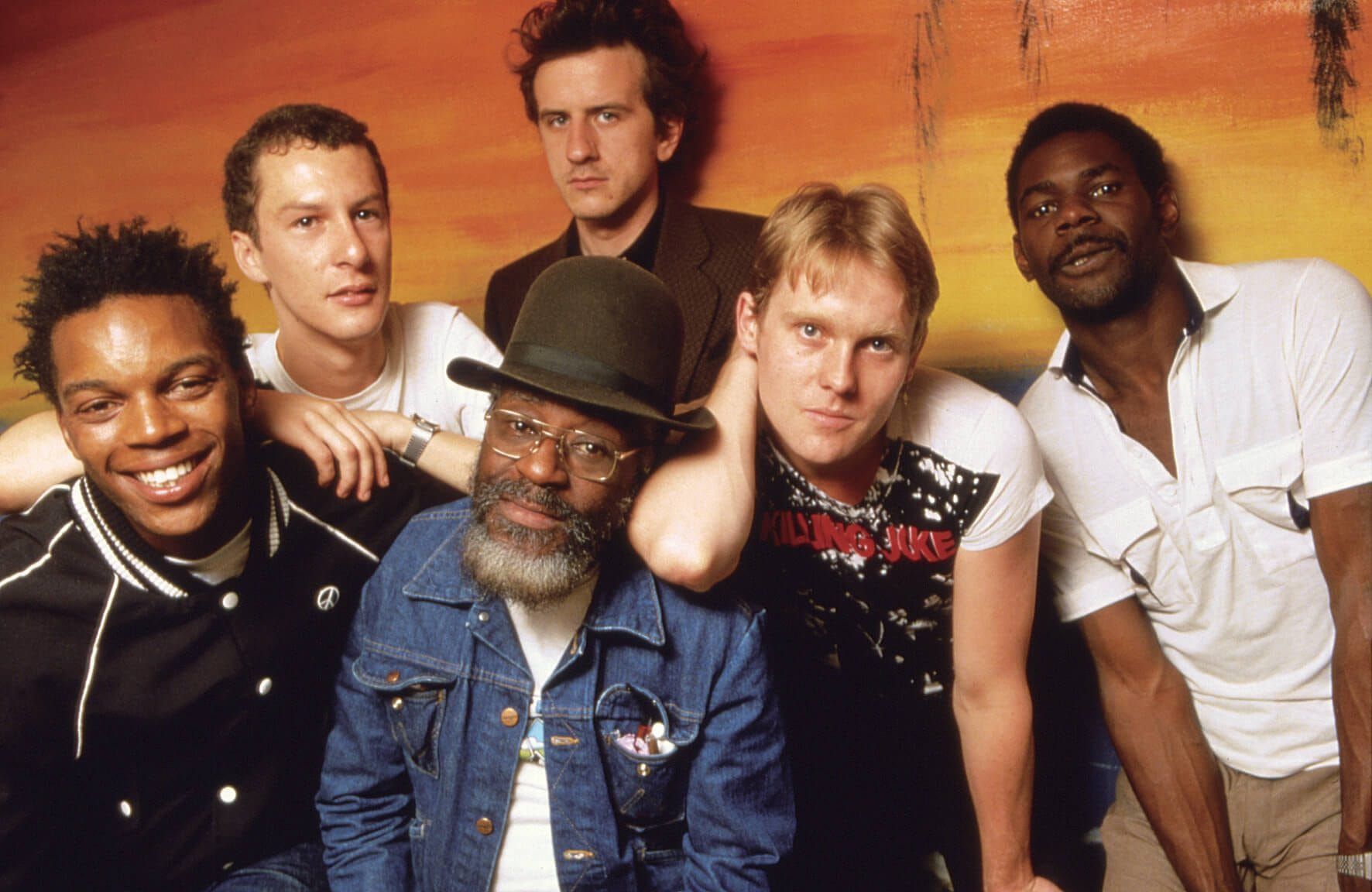
I first encountered the (English) Beat sometime around 1982 or ’83, which means, like most Americans, it was “Mirror in the Bathroom.” I didn’t understand what I was hearing, but I liked the edgy vibe. Anything with a ska or 2 Tone feel seemed mysterious, although I knew the Police and had encountered Madness on Friday Night Videos. Years later, “Mirror in the Bathroom” would be brilliantly synced to one of the greatest fight scenes ever put in a comedy, when John Cusack and Benny Urquidez beat the living hell out of each other in Grosse Pointe Blank.
I loved the song, but missed the Beat’s original moment. In comments on old videos, people remember them as the soundtrack to high school or college, dancing at parties and having a wonderful time. By the time I was old enough to do the same, merely a few years later, the British 2 Tone scene had evaporated. The Beat lasted only from 1978 to 1983, but unbeknownst to me, I would soon encounter them again in different forms.
In 1985, I saw Weird Science, starring my girlfriend Kelly LeBrock and some other people. Near the end, when the nerd boys find real female companionship, “Tenderness” by General Public comes on. I absolutely swooned for that song. A friend with the unimaginable luxury of cable later made me a VHS copy, which I watched constantly. Sometimes I’d put it on just to hear “Tenderness.”
General Public, of course, featured Dave Wakeling and Ranking Roger from the Beat. Guitarist Andy Cox and bassist David Steele went another direction, forming Fine Young Cannibals with Roland Gift. FYC sold way more records, but I wasn’t a fan. I recently revisited The Raw & the Cooked to see whether I’d been unfair. Nope. Still don’t like it.
The Beat, though, have grown on me steadily over the decades. They made exactly three albums: I Just Can’t Stop It in 1980, Wha’ppen? in 1981 and Special Beat Service in 1982. Three excellent records, and then they were gone.
There’s plenty of history pressed in those discs. The Beat came together in Birmingham during a period of unemployment, racial tension, punk and cultural cross-pollination. Three members were Black and three were white, something they’ve said didn’t seem remarkable until people elsewhere kept pointing it out. What interests me more these days is simply how good the music feels.
Not “happy,” exactly, because Beat songs aren’t always upbeat, especially the lyrics. But there’s warmth, movement and a sense of possibility in them. Ska and reggae provide part of the vocabulary, but so do punk, soul, pop and African music. I almost think of it as cool ska, in the sense of cool jazz: spacious, cosmopolitan, relaxed without being sleepy or cheesy.
And the songs are aces. Dave Wakeling deserves far more recognition as a composer. There’s tremendous sensitivity and observational intelligence in “Save It for Later,” “I Confess” and “Doors of Your Heart,” among many others. He can be romantic without getting mawkish, clever but not overly cute. But he’s also a little street; a bit of a bloke. I like that too.
The rest of the band was equally distinctive. Everett Morton was a phenomenal drummer, confidently anchoring and embellishing the band’s restless musicality. The late, great Saxa—Lionel Martin—was already about 50 when he joined and had played with Jamaican ska and reggae giants before improbably falling into the UK post-punk scene. His tone is impeccable, his melodic sense extraordinary, and he gives a master class in pacing every time he blows.
Then there was Ranking Roger, whose pairing with Wakeling created one of the most beautiful and under-appreciated vocal blends in popular music. Wakeling’s warm, slightly melancholy croon alongside Roger’s skillful harmonies and exuberant toasting was a precious and all-too-fleeting combination.
The original six never performed together again. VH1 tried to rally the troops for a remarkably moving 2004 episode of Bands Reunited, but only partially succeeded. (You really should watch it.) Eventually Wakeling and Roger led separate versions of the Beat, with Wakeling primarily touring America and Roger carrying the flag in Britain. Sadly, Roger died of cancer at only 56 in 2019, just two months after releasing a worthy final album with his version of the group.
Now, three members of the Beat are no longer with us: Roger, Saxa and Morton have all gone to ska Valhalla. The original lineup lives only on the records.
I can go long stretches forgetting how much I love this band, and then, out of nowhere, comes a longing to hear them again. Nothing else quite scratches the same itch. The Beat could be political, heartsick, anxious and even angry, but they understood that none of those things prevent people from dancing. These days, I find that an increasingly useful thing to remember.