On the Sonny Side
The colossus is gone, but his music is part of the vibratory fabric of the universe.

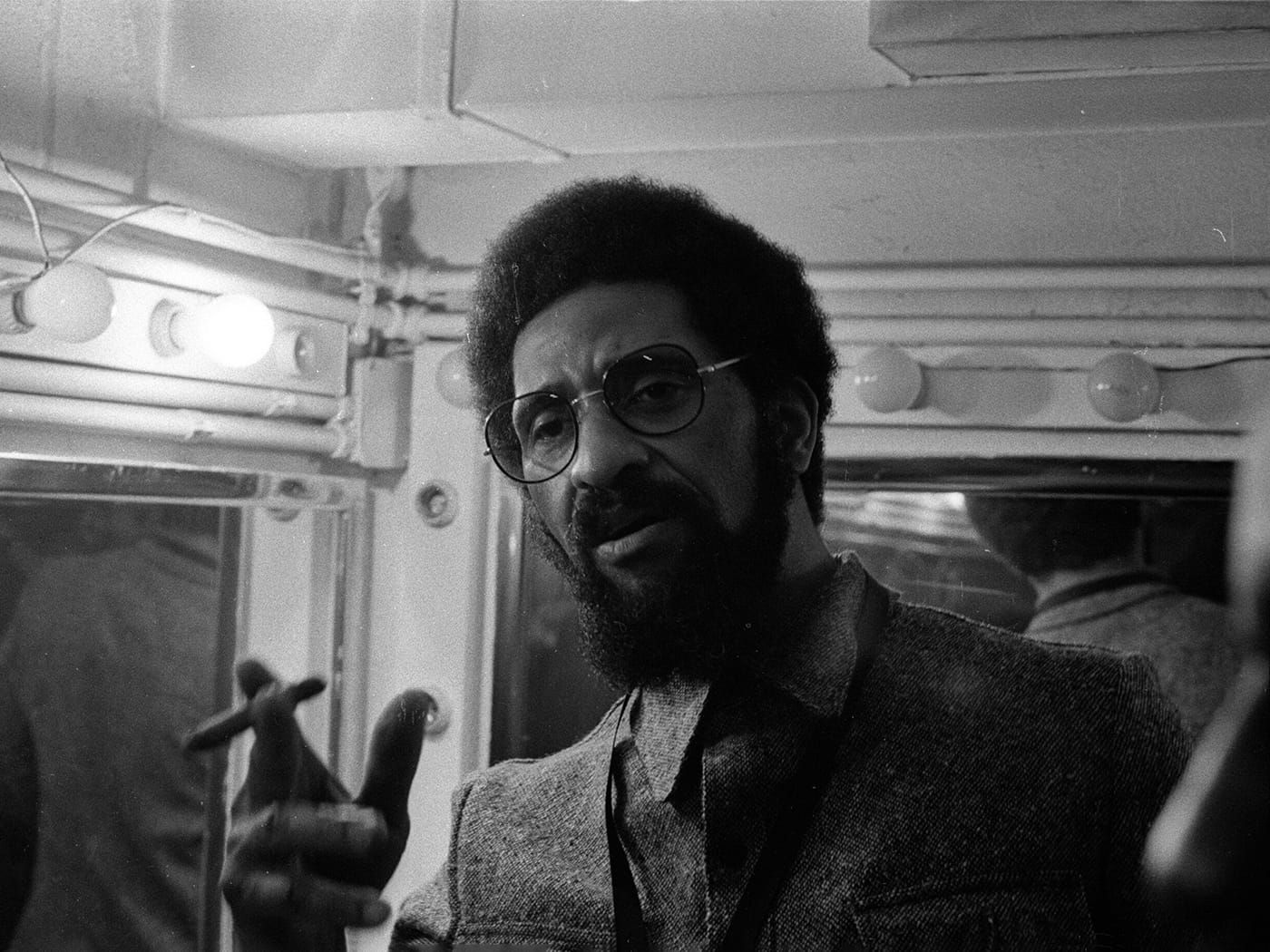
The first time I heard Sonny Rollins was surely “Waiting on a Friend” by the Rolling Stones, which I swooned for in third grade when it was a new single. A big part of what I loved—and still do—is the outro sax solo from Rollins, who passed this week at the age of 95.
How he came to play on that track has been recounted elsewhere, but my favorite part of the story is when the jazz legend asked Mick Jagger to “dance the part out” as a way of conducting his improvisation. It must’ve worked, because Sonny’s probing, soulful solo is a highlight of an already sumptuous number.
Later, when I became a jazz fan and musician, I rediscovered Sonny the way one does—working through the catalogs of Miles, Coltrane, and Monk. Even among these heavyweights, he stood out, in part because of how other tenor saxophonists of the era played, a vernacular largely established by Charlie Parker and transformed by Coltrane. The latter is rightfully lauded for both technical capability and the relentless intensity of his spiritual searching. Rollins had chops, but his approach was less insistent and more gracious, inviting rather than imperious.
Which isn’t to say Rollins was a conservative player. He readily absorbed influences from the free jazz movement, weaving harmonic sophistication with conversational openness that needn’t be defined as “out” or “trad.” One of his all-time great albums, The Bridge, is a perfect example. The title comes from the two years Rollins spent practicing alone on the Williamsburg Bridge—sometimes sixteen hours a day—between his 1959 withdrawal from public life and his return in 1962, and the music alchemizes that solitude into deeply soulful, altogether unfussy confidence. The album also features my favorite jazz guitarist, Jim Hall, but that’s another post.
Rollins had a long and varied career spanning seven decades. In addition to The Bridge, highlights include Saxophone Colossus (1956), the album that announced him to the world with a title that mirrors his rep; Way Out West (1957), a charming musical tumbleweed with no chordal instruments (like piano or guitar); and A Night at the Village Vanguard (1957), as pure and raw a document of live jazz improvisation as the genre has produced.
He spent years studying yoga, Vedanta, and Buddhist thought—not as affectations, but with the same curiosity and discipline he brought to the horn. He called improvisation an attempt to express life itself, and you can hear that in the records: a mind fully present, a sound authentic to himself, and a spirit of open offering. That he ended up on a Rolling Stones record is maybe the least surprising thing about him. Sonny Rollins went wherever the music led.