Parks and Invocation: The Cozy Horrors of “Widow’s Bay”
Apple’s new horror-comedy makes cringe creepy.

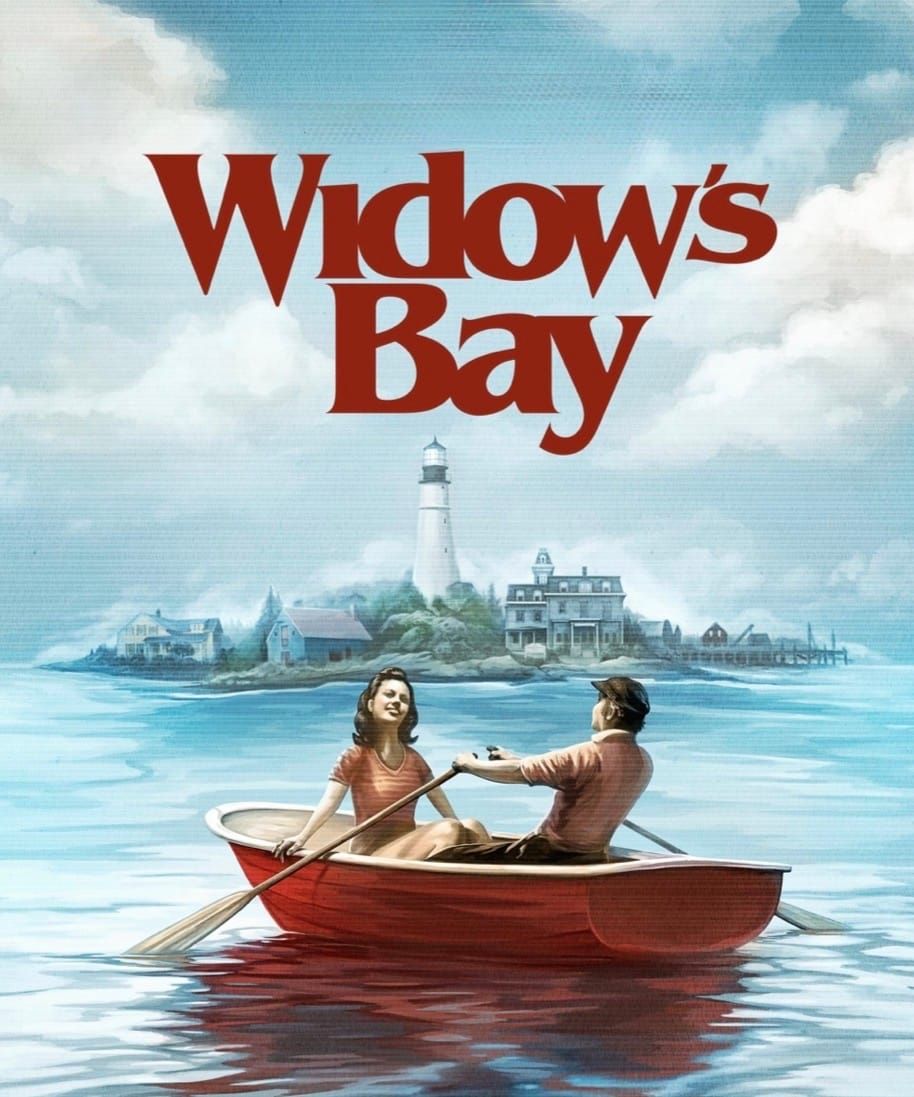
Horror-comedy is tough to make work, but when it does, the results can be bracing. We seem to be in a renaissance of the form, which has a long lineage. I first discovered it with An American Werewolf in London, which famously turned a decaying corpse into a running gag. It’s not just cinema, of course. More recently, Tim Heidecker and Eric Wareheim leaned into horror-comedy (or comedy-horror?) on “Tim and Eric’s Awesome Show, Great Job!” and then explicitly in “Tim and Eric’s Bedtime Stories,” their anthology on Adult Swim. Now there’s another comic Tim—Robinson—whose “The Chair Company” is directed by Andrew DeYoung. The latter also helms episodes of a new show on Apple TV called “Widow’s Bay.”
Sometimes I wonder why I have Apple TV. I suppose it’s for shows like this and the cringe-dread cocktail “Severance” (though I still haven’t watched Season Two).
“Widow’s Bay” creator and showrunner Katie Dippold splits the difference between charming and unnerving across the four available episodes. Dippold’s writing CV includes the Sandra Bullock and Melissa McCarthy buddy comedy The Heat and the maligned 2016 Ghostbusters reboot. Here’s a fun twist: Dippold used a “Widow’s Bay” draft to land a gig on “Parks and Recreation.” She spent Seasons 2, 3, and 4 in the writers room, while the script sat in a drawer—though she kept going back to it over the years.
It shows. “Widow’s Bay” carries elements of “Parks and Rec”—namely, the soft indignities of dumpy local bureaucracy. Here, the dynamic is spread across a grimly compelling gallery of Lynchian faces—my God, the faces on this show, each singularly uncomfortable—and supernatural elements that are both intentionally campy and genuinely spooky in the classic Stephen King and Lovecraft-adjacent way.
The show stars Matthew Rhys, Emmy winner for “The Americans,” as Mayor Tom Loftis—a widower solo-parenting his gaslighting teenage son Evan, played by Kingston Rumi Southwick. Tom is determined to drag this briny, bullheaded village into the modern day. It’s a tall order: forty miles off the coast, no Wi-Fi, spotty cell reception, and populated by locals who believe with considerable evidence that the place is cursed. The mayor wants to make it the next Martha’s Vineyard. He’s a local himself, but he only spent summers—and one of the beliefs the islanders hold is that anyone actually born on the island is stuck there. Physically cannot leave.
The rest of the cast is remarkable. Special commendation to Kate O’Flynn as Patricia, Tom’s assistant—a terrific addition to the Pantheon of Cringe. The show also makes great use of Stephen Root—beloved since “NewsRadio,” “Office Space,” “King of the Hill,” and approximately everything since—as Wyck, a true-believing local fisherman who tries to warn Loftis about the supernatural goings-on and is ignored, humiliated, and finally vindicated.
The first five episodes are directed by Hiro Murai, executive producer and the person most responsible for the show’s visual and tonal feel. If you know his work on “Atlanta,” you’ve seen how he situates the uncanny inside the mundane—though here the setting isn’t the street, it’s a remote New England seafaring community. The remaining episodes are split between Ti West, Sam Donovan, and Andrew DeYoung.
“Twin Peaks” comparisons are inevitable, and the DNA is there: isolated community, outsider-slash-investigator, a landscape with its own agenda. But the show isn’t interested in pastiche. Each episode uncovers a weird tension or disturbance without feeling like an aimless mystery box. Whether it’s building to some big resolution, I genuinely don’t know. I kind of hope it doesn’t. Not every mystery needs to be solved, every phantom unmasked. Sometimes a genre just needs an island of its own.