In Defense of the Difficult
Making a case for art that makes you work for it.

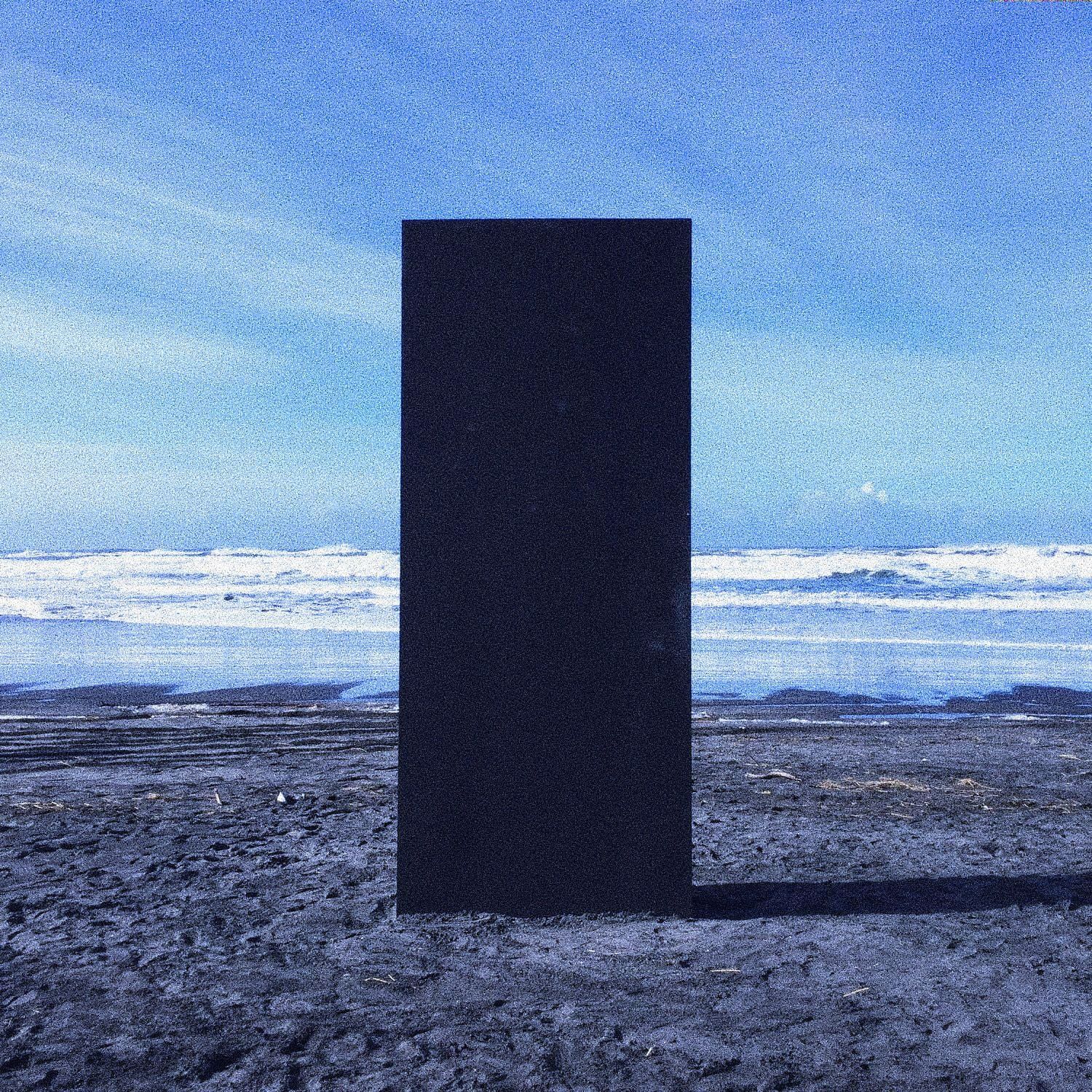
If you live long enough, you’ll become an old person. You might be the kind who yells at clouds. I try not to be. Still, one thing aging brings is perspective, and mine often applies to media—specifically art, or in market speak, entertainment. Whatever you call it, the years have seen all kinds of challenging or “difficult” expression that somehow found its appreciators. Not always in its own time, of course.
The slowness of “old media”—in production, distribution, and consumption—was inconvenient in many ways, but it also let funky things find their place on their own terms. Like a novel you have to get 150 pages into before anything gels. Or a pop record peppered with anti-bangers.
The literary examples are countless. Thomas Pynchon comes to mind; the first act of Gravity’s Rainbow is, for some, an impenetrable wall. Generations of musicians also pushed the envelope, from the underground (Velvet or otherwise) to superstars like the Beatles. Yet I’m not sure even Sgt. Pepper’s Lonely Hearts Club Band would be immediately received by the critical and popular mainstream if it came out today. Too weird! Kind of boring! Not enough hooks!
Many of the biggest films in history took their sweet time to unfold. Take something as canonical as Stanley Kubrick’s 2001: A Space Odyssey—you sit through a lot of pogoing monkeys before a narrative picture begins to emerge. And don’t get me started on David Lynch. See what happened when he was asked the meaning of his movies.
I’m not talking about shortened attention spans because TikTok, or people getting stupider. It’s that our overlords have monetized frictionlessness so completely that difficulty now looks like design failure. Because we’re supposed to get everything up front and on the nose.
A lot of this is baked into the cake at the level of interface. The skip button. Videos at 1.5 speed and up. The whole “is this worth my time” framing common to drive-by criticism. We’ve built economies where a rights holder gets paid a pro rata percentage of monthly consumption per title, and the reward in such a system goes to the comprehensible and the familiar. Which is why large catalogs and established IP are so valuable in today’s market.
Literalism is also trending. As an ironic Gen Xer, this is a baffling development, and I think it also confounds some Millennials. The younger audience—Zoomers and Alphas—increasingly want media to declare its themes out loud, to resolve into something tidy. You see it in blockbuster movies, which are aimed at an international audience. But even streaming serial media seems to over-explain ambiguities, clumsily piling on exposition. Irony is treated as dishonest. And maybe it is. But I don’t think previous generations were wielding it that way. We were just trying to be funny and detached.
It’s true that some art can be obtuse, and that’s its own kind of dodge. Yet I often find that allegedly challenging work is quite plain about what it’s getting across—it’s just that it evades conventional meaning, or invites you to bring your own.
Difficult work asks us to abide in not-knowing, and that cuts against every modern reflex. There’s a relationship here to contemplative practice. If you’ve ever meditated—and let’s throw out the agenda of silencing thoughts—if you’ve ever just sat and felt what was present in your body and mind, then you know all kinds of things come up to distract you. There can be discomfort, especially at first. But the willingness to remain when every instinct is to bolt can really open things up. Eventually.
So if literalism is trending, there’s nothing I can do about it, any more than yelling at clouds affects their process. But I do think the retreat to frictionlessness is foolish, because not-knowing is where possibility lives. And not just possibility, but connection. Those connections don’t always need to announce themselves to have an impact. Sometimes it’s more powerful when they don’t.