Oz Fest, Part Two
From psychological thrillers to delightfully disturbing Ozploitation—four more Australian cinema curiosities.

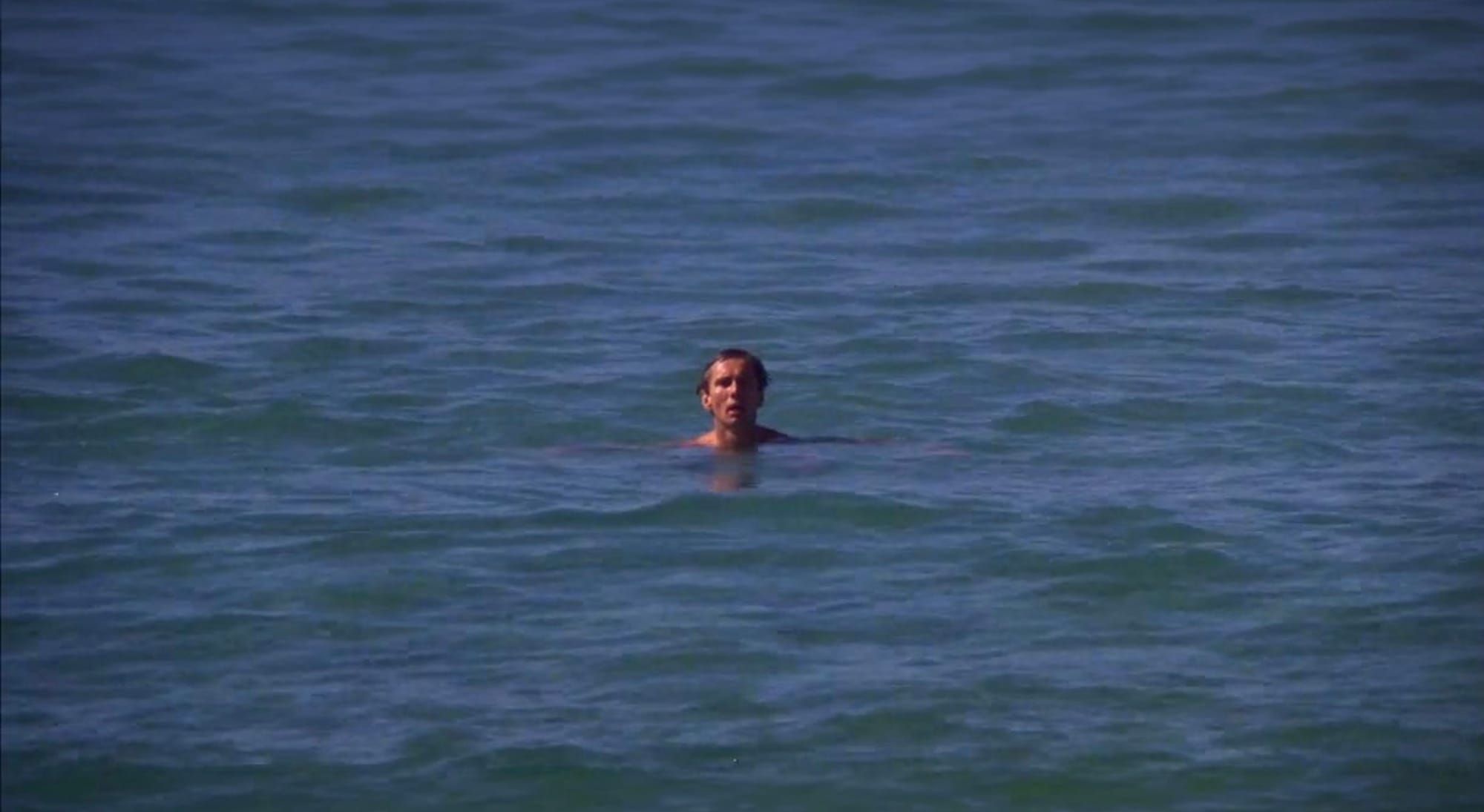
I’m continuing my exploration of the Australian New Wave, with excursions into Ozploitation, the low-budget genre filmmaking that flourished alongside the more internationally celebrated pictures of the 1970s and early 1980s. There’s considerable overlap between the two, and some of the most interesting films occupy the territory between elevated trash and trash trash. This time around, I watched four movies, including two by Peter Weir, whose work featured prominently in Part One.
First up is Patrick (1978), directed by Richard Franklin. This is unabashed Ozploitation, a goofy B-movie about a comatose young man who possesses telekinetic abilities. He had demonstrated these powers before falling into his coma, but now there’s disturbing evidence of a deeply troubled and menacingly entitled consciousness operating beyond the confines of the body.
What makes it creepier is the impression of a multitude behind Patrick, as though something else is operating beyond the veil. The movie never makes this explicit, which works in its favor. Patrick is an admirably disreputable picture with interesting psychological horror undercurrents. And it’s so gloriously bonkers that it earns its place as an Ozploitation classic.
Next was Weir’s The Year of Living Dangerously (1982), which I suspect I’ve seen before. Then again, it’s possible that a PBS Siskel & Ebert segment simply got lodged in my head.
Set against political upheaval in Indonesia, the film stars Mel Gibson as an Australian journalist, Sigourney Weaver as a British embassy official, and Linda Hunt as Billy Kwan, a photographer whose relationship with Gibson’s character provides much of the film’s emotional and moral gravity. Hunt, who also played Shadout Mapes in David Lynch’s Dune, is terrific. Her casting as a male character was a big deal at the time; whether that choice would be made today, and with what implications, is an interesting question that I’m not inclined to litigate.
Gibson is fairly smoldering. I’d forgotten how compellingly inscrutable and almost animalistic he can be while doing very little. His character isn’t necessarily driving the plot so much as being swept up in it, and Mel is very good at looking swept up. He also has real chemistry with Weaver, whose flinty charisma is at its peak. Unfortunately, she cannot sustain a British accent for the life of her. It’s there, and then it isn’t. Why not just make her American? It wouldn’t have changed much. Still, it’s an absorbing romantic political thriller of a kind we rarely see anymore.
The Plumber (1979) takes us back to the sleaze, but in Weir’s hands it ends up being thematically substantial. The film explores class divisions, gendered power dynamics, and male toxicity circa 1970s Australia. It takes place almost entirely inside an apartment, where a plumber wages a bizarre psychological campaign against a woman whose husband is so obsessed with rising in the university ranks that he never encounters the titular character.
Some of this is quite funny, but there’s an underlying tension that never dissipates. The Plumber has remarkable tone and texture despite, or perhaps because of, its claustrophobic setting. And the finale’s dark twist can play different ways depending on the viewer’s ethics, adding to its devious depth.
Last is Colin Eggleston’s Long Weekend (1978), a twisted little delight that remains relatively obscure. Maybe it’s because the protagonists, in this case a married couple, are both assholes.
The pair are having relationship problems. At the husband’s urging, they head off for a holiday along the Australian coast, displaying a gratuitous disregard for animals and the environment along the way. Before they even get underway, the husband pulls a scoped rifle from a paper bag and casually sights his unsuspecting wife on a balcony. That reveals plenty, as does the casual hypocrisy both characters exhibit regarding their individual agendas and interpersonal history.
It’s an uncomfortable little picture with a deceptively idyllic setting and a few paleo jump scares. Some of it borders on black comedy, but there’s a persistent sense of tension and unease. Eggleston makes great use of simple, less-is-more practical effects and lets the beasts and bush do the rest. In Long Weekend, nature’s apparent hostility seems inseparable from the humans’ disregard for it, which brings me back to something I considered in my previous post: the Australian landscape itself is a character, often a menacing one.
I was well pleased with these dusty gems, mates. Have a look yourself if it suits ya!