Oz Fest, Part One
From automotive mayhem to mystical revelation, a tour through Australian New Wave cinema begins.

I’ve mentioned this previously, but I’ve been obsessed with Australia lately. It started with the Melbourne comedy mafia, including Aunty Donna, the Grouse House collective, and assorted miscreants. From there, I dipped into other Australian stuff I’ve enjoyed over the years, including music. But what I especially wanted to explore was Australian cinema. As a kid, I loved George Miller’s original Mad Max from 1979. I also dug The Road Warrior, although I’ve always preferred the first one. Beyond those films, my familiarity was limited.
The Australian New Wave kicked off in the 1970s, with directors including Peter Weir, Gillian Armstrong, Fred Schepisi, Bruce Beresford, Philip Noyce, and, yes, George Miller. There’s overlap between the New Wave and the Ozploitation genre, which covers the more sensational and outrageous side of Aussie moviemaking. That includes Weir, whose earliest pictures have a pulpy sensibility.
So let’s talk New Wave. Given the scope of the genre, this is just part one of a two- or maybe three-part series.
I kicked things off with a rewatch of Weir’s first feature, The Cars That Ate Paris (1974), a deeply strange movie about a rural town where the locals have developed an unusual relationship with passing motorists. It’s blackly comedic and low-key bonkers. You can see its influence on Mad Max in the isolated setting, automotive menace, and colorful characters. It even shares an actor with the George Miller series, as Bruce Spence played the Gyro Captain in The Road Warrior and also appeared in Beyond Thunderdome. (Fun fact: hapless protagonist Terry Camilleri later portrayed Napoleon in Bill & Ted’s Excellent Adventure.)
Next up was Gillian Armstrong’s My Brilliant Career (1979), which I truly enjoyed. Judy Davis is one of my favorite actors, and somehow I’d never seen this movie. She plays an independent young woman determined to become a writer despite the social constraints of turn-of-the-century Australia. It’s funny, sharp, and a little sad, with soul-crushing glimpses of hardscrabble rural life alongside charmingly awkward interactions of the mundane and romantic kind. Plus the late, great Sam Neill!
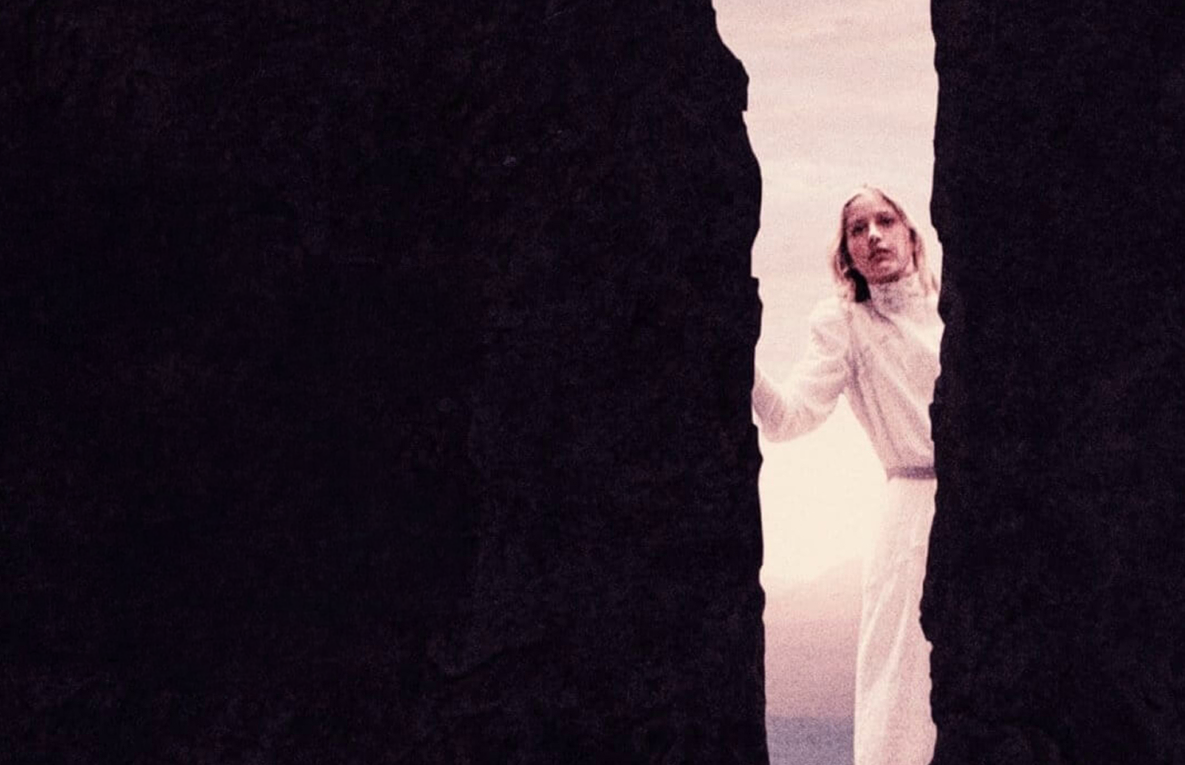
Weir’s Picnic at Hanging Rock (1975) was another glaring omission. Based on the 1967 novel by Joan Lindsay, it concerns the mysterious disappearance of several students and a teacher during a school outing to Hanging Rock, an ancient geological formation in Victoria, on Valentine’s Day in 1900. It’s an uncanny masterpiece, deeply strange and evocative, and very much a folk horror movie. Visually, it resembles an Impressionist painting, with soft light, lush landscapes, and dreamlike compositions. There’s an ever-present supernatural vibe, although the film is too elusive to settle into any particular explanation. Themes of burgeoning sexuality and queer attraction add to its many layers.
Weir’s The Last Wave (1977) has immediately become a favorite. It’s difficult to summarize because so much of what makes it extraordinary extends beyond plot or performance. It’s more like texture and temperature. But it’s also a bit of a thinker. In many ways, The Last Wave is everything I’ve ever wanted a Ken Russell movie to be, but never quite gotten.
A mystery drama with elements of psychological horror, the film stars Richard Chamberlain as David Burton, a white Sydney tax solicitor whose comfortable existence is disrupted when he becomes involved in a murder case concerning several Aboriginal men. His disturbing dreams seem connected to the people he’s representing as well as ongoing and unusual weather events.
That’s a gross simplification of a richly textured and evocative film. The story engages with Aboriginal understandings of the Dreaming, or Dreamtime, which is not just some supernatural realm, but an experiential reality where ancestral presence and cosmological movements transcend past, present, and future. These ideas are explored through Burton’s shifting reality, as the boundaries between dreams, waking experience, and prophecy dissolve.
I wondered how the film’s depiction of Indigenous peoples and traditions was received, particularly given its white protagonist. Some Aboriginal performers reportedly appreciated the opportunity to present aspects of their culture and spirituality. That doesn’t resolve the representational issues, but it’s part of the picture.
There’s a remarkable sequence in which an Aboriginal elder appears to confer a spontaneous spiritual empowerment on Burton. The film never entirely explains what’s happening, but it’s a powerful sequence. The Last Wave also feels relevant to our present moment. Its supernatural unease is inseparable from environmental catastrophe, with bizarre and violent weather culminating in the possibility of an apocalyptic tsunami.
Across these films, I’m struck by how much the environment determines their narrative possibilities. In Picnic at Hanging Rock, the landscape becomes an inscrutable presence that resists human comprehension. The Last Wave concerns an unfolding revelation of environmental destruction. Widespread drought frames My Brilliant Career. The rural isolation of The Cars That Ate Paris enables vehicular homicide. Australia isn’t inherently hospitable to human beings, a reality these movies exploit to remarkable effect.
More Oz ahead—stay tuned for Part Two.