Pleasure in Presence
On play, curiosity and the feelings we often overlook.

Earlier, I was talking to my friend Joe about the importance of play. For adults, not just children. We got onto the idea that enjoyment—and the recognition of the feelings underneath a pleasurable situation or activity—can remind us that we aren’t defined solely by our aversions and sufferings.
For folks who have had experiences that have made them feel unsafe, insecure or fearful of future bad things happening, play—or any positive encounter—invites a more expansive sense of embodiment.
These capacities aren’t outside of us. They’re native to our biology. For example, the ability to care—including self-compassion, which is different from self-clinging—is part of our mammalian circuitry, alongside the systems involved in responding to threat.
The trouble is that we spend an awful lot of time somewhere other than where we are. We ruminate about the past. We think about what we should be doing right now and what will happen if we don’t. We project ourselves into a future that will inevitably come to pass unless we take immediate action of some kind—or at least find some action to take.
All of this makes it more difficult to recognize what we’re feeling right now. Not so much what we’re thinking about what’s happening, but rather what we’re feeling in response to it.
Underneath a thought or sensation, there is usually a feeling connected to it. Given our conditioned aversions, it can be challenging to relate directly to difficult emotions, though it is possible. And it becomes more possible if we widen our orientation to include the non-shitty feelings as well.
That means connecting to the actual felt sense of what’s arising, rather than dwelling on what the feeling means or where it came from. Although sometimes helpful to identify what is present, such thinking can easily tip into distortion—including the need to preserve a pleasurable feeling, cling to it, or perseverate on the fact that it isn’t going to last.
Well, nothing lasts.
A cool breeze on a warm day feels really good. The fact that it won’t continue indefinitely doesn’t mean we can’t relate to the emotional core of the experience with open, accepting recognition. We don’t have to deny it, suppress it, fixate on it or make it mean something. We can simply allow it to be there while it is present.
In the spirit of play, it’s about engendering a kind of curiosity that goes beyond what we would normally allow ourselves to be drawn toward.
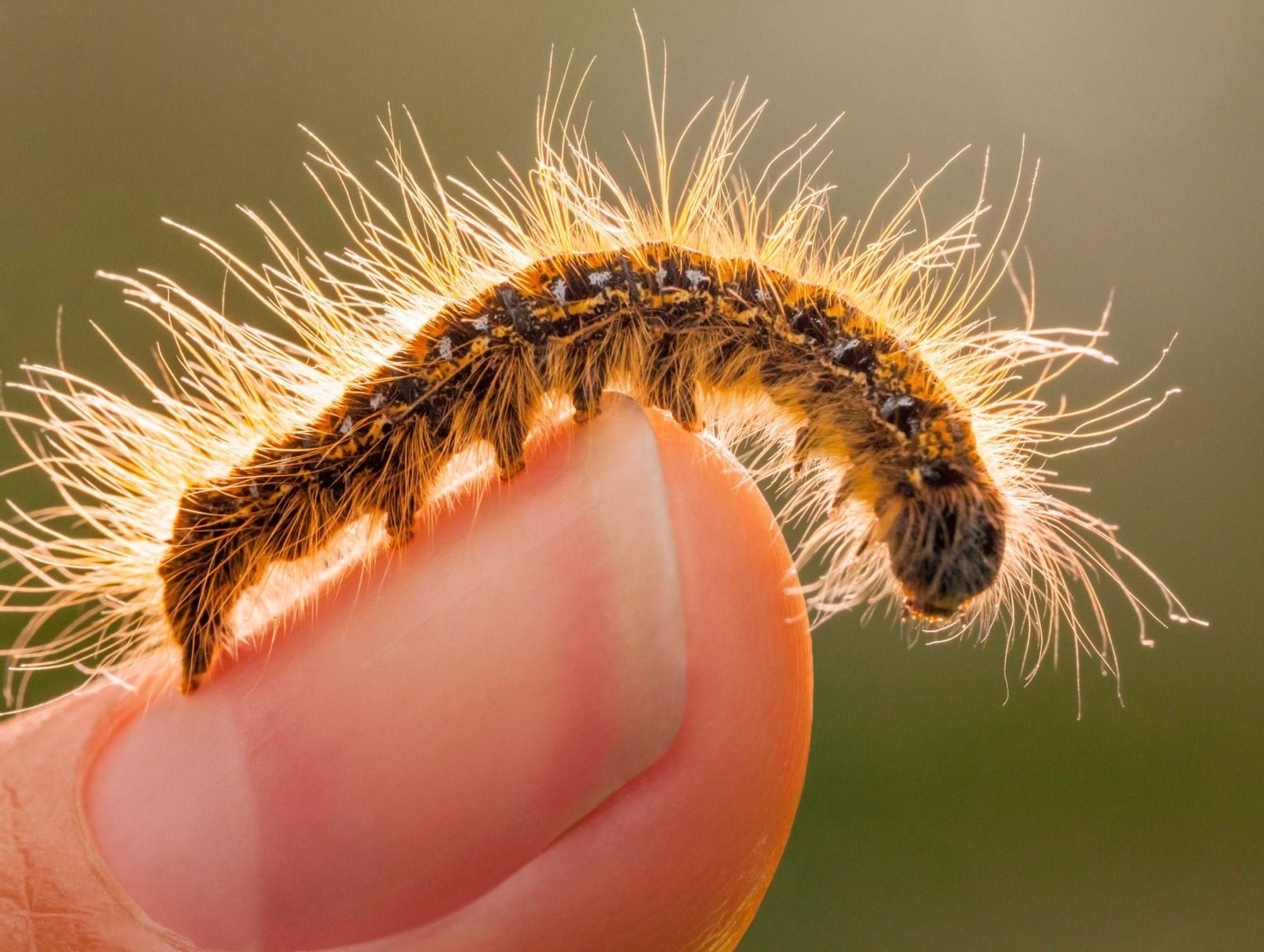
Sometimes I think about being a little kid and having my mind absolutely blown by a fuzzy caterpillar with cool markings. There was the touch of its weird little bristly body, the way it felt as it inched along my finger, the remarkable colors—and, yes, whatever poop or pee it occasionally left behind. There was a naturalness to the encounter that didn’t require pushing in any particular direction. Just the simple tickle of curiosity and connection.
As grown-ass human beings, we’ve probably developed more complicated ways to play. Intellectual puzzles. Art. Physical activities. Sports. All of that is great. But sometimes participation is a dodge rather than an opportunity to experience what is actually happening in our feeling parts. The key is remembering to notice how enjoyment registers in the body.
This muscle can be trained. Without putting pressure on ourselves, we can become opportunistic about noticing and appreciating the sensory qualities of what’s available in the present moment.
It could be a warm blanket. The enlivening intimacy of your own breath. The warmth of the sun on your skin, or the way light filters through a window during the golden hour. It could be rain or mist, or simply the sensation of water when you take a shower.
And then you can really take that shower.
Take it where?
Into the open expanses of your own warm, nonjudgmental and deeply compassionate awareness. Might as well try it sometime. How about right now?