Tending to Toxicity
On anger, acceptance and meeting men where they are.

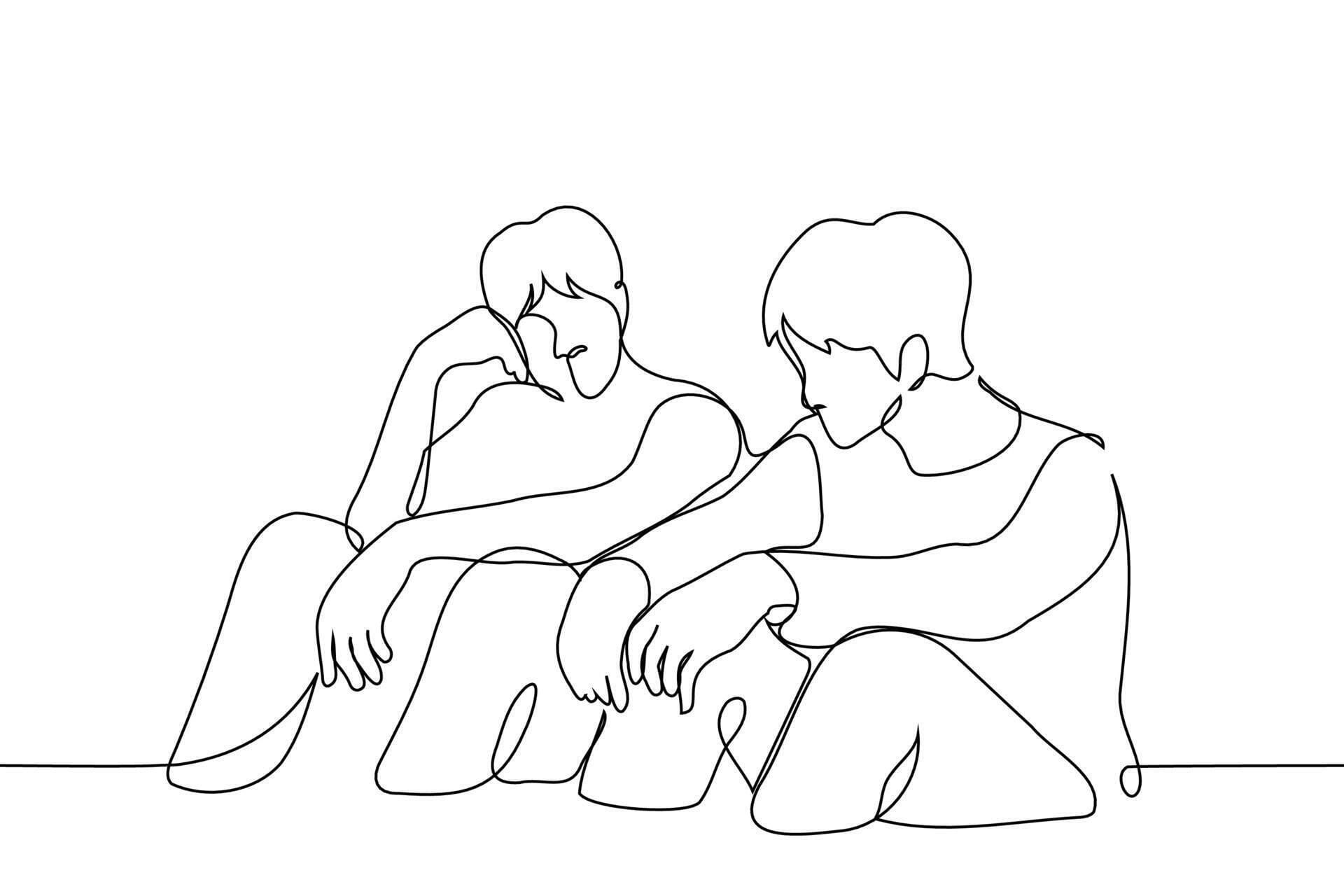
Over the past few weeks, I’ve been rethinking the idea of toxic masculinity, a word pairing we see a lot in reference to the often reprehensible behavior of males in our society.
A big reason I’ve pondered this is because, in my day-to-day work as a chaplain, I’m often in groups or individual encounters with men who have more than likely displayed behaviors associated with toxic masculinity.
Always in the back of my mind is the familiar adage “hurt people hurt people,” which is kind of fun to say because it also sounds like “HURT PEOPLE! HURT PEOPLE!” Jokes aside, the point is that being victimized can contribute to behaviors that cause harm to others.
I would posit that much of what we lump under the category of toxic masculinity emerges from these patterns, which are often multigenerational and deeply embedded—not only in family structures but in broader society. Many of the messages males receive about how to be in the world involve the suppression of feelings and emotions, the projection of strength, and intolerance for anything that seemingly offends one’s masculine sovereignty.
Spending time with dudes who are or have been incarcerated, addicted, and shuttled through institutions that aren’t rehabilitative so much as punitive has revealed how deeply these patterns are embedded in systems as well as individuals.
On the other hand, I have my own reactive sensitivities toward toxic masculinity, which I see as a particularly virulent strain of ignorance, especially in America. There’s no place you can go in this country where you won’t encounter some aspect of it. It’s wearying, oftentimes overwhelming and, for me personally, enraging.
I’m constantly checking in with my body to see how anger arises in response to appearances that suggest such traits. I have a shorthand: “If I see one more fucking white guy in an overcompensating truck, I’m gonna . . .” I know these are mental scripts. They arise and dissipate in awareness. But nonetheless, that reactivity is part of my experience.
I also work with women who have been relentlessly and systematically victimized by male toxicity and patriarchy. Sometimes it’s at the hands of a single individual who can be named. Other times it’s a bureaucracy that ostensibly exists to provide them with various kinds of support but fails to do so, often in a dehumanizing and pathologizing way.
Recently, it occurred to me that men who have committed such acts may very well—once they’ve hit whatever bottom makes them realize they can’t continue—show up on my doorstep, where they are welcomed without judgment. It’s a weird position to occupy.
When I find these kinds of polarities within myself, I get curious. I want to go further in and rest with the dichotomy, not with any particular agenda, but simply to recognize and accept what’s there.
Still, tending to the strong emotions that come from simply being a person in 2026 can be taxing in and of itself. One way I work with that is to remain present in my body and aware of how thoughts connect to underlying feelings that arise as felt sensations.
For me, this is where the practice actually happens. I can experience anger or dismay without making it the whole truth. I can recognize the conditioning that produces harmful behavior without pretending the harm isn’t real. I can sit with someone who has caused suffering without abandoning the person who suffered.
That gives me a little more room inside myself—enough to accommodate another human being as they actually are, not how I prefer them to be or even hope they’ll become.