Uneasy Unclenching
After years of bracing for the worst, even a little relief can feel unfamiliar.

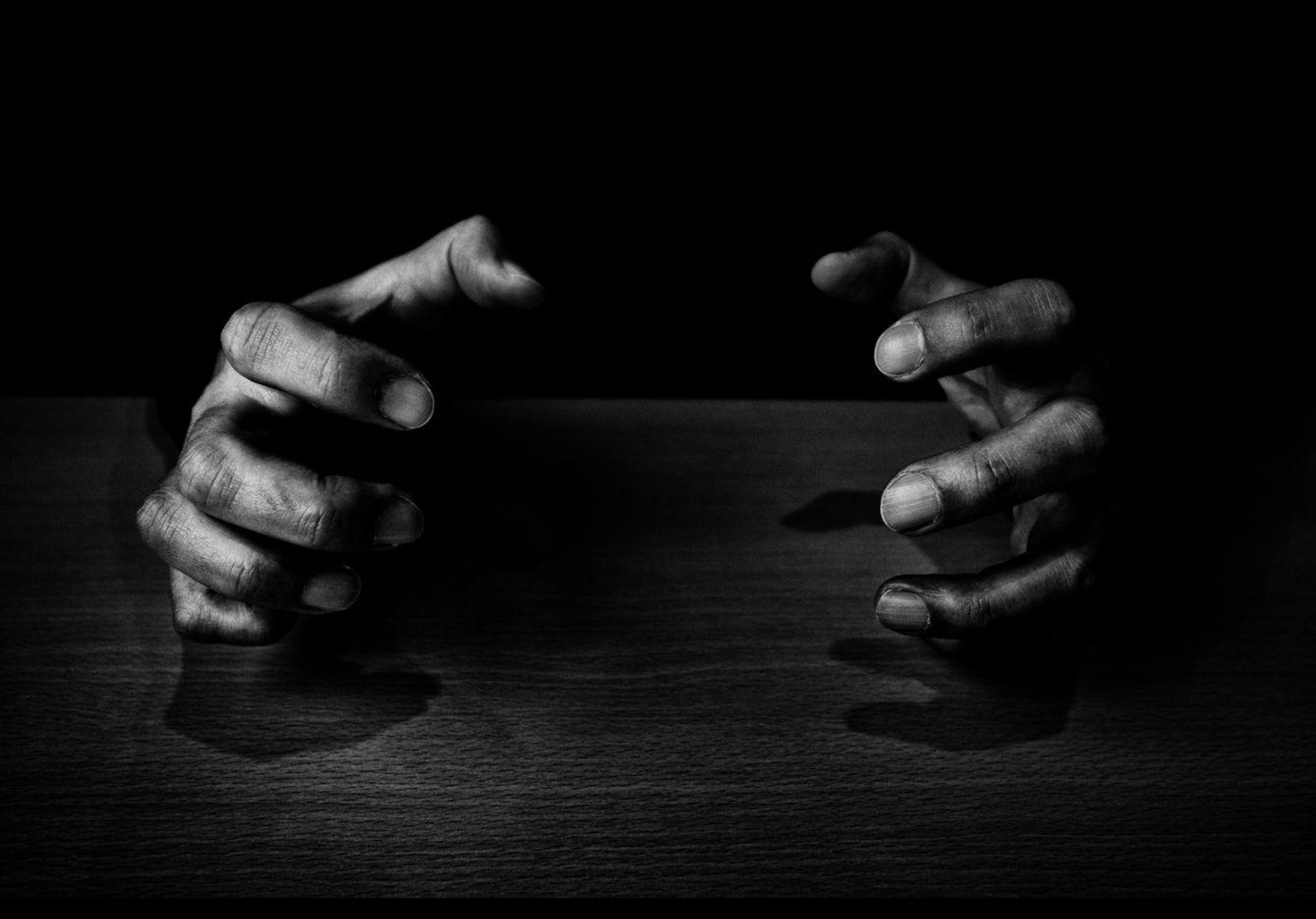
I’ve been thinking a lot lately about stress and what it means to experience our modern world with a human body and mind. It doesn’t take an expert in psychology, sociology, or anything else to recognize that the last decade has been extraordinarily stressful for a lot of folks. Much of this stems from a growing sense of uncertainty about democracy, society, the environment, and the circumstances of our own lives.
We’re experiencing overlapping forms of instability in our institutions, our culture, and the ecosystems that sustain us. These pressures accumulate, creating a good deal of psycho-emotional strain. As individuals, we also carry wounds that can be activated by what we encounter in the wider world. The result is often anxiety, exhaustion, and persistent heartache.
Every day, we absorb news of global conflict or witness violence on our devices, in our neighborhoods, and for some, right at home. Meanwhile, the systems that harvest our attention keep us distracted, overstimulated, and anesthetized, while simultaneously delivering an algorithmically curated stream of unsettling material. We’ve been taking it in for a long time.
After years spent on guard, clenched up and anticipating the next disruption or disappointment, even the experience of partial relief can feel alien, possibly destabilizing in its own right.
Last week’s election results suggested that people with a broad range of experiences and viewpoints are starting to push back against some of the ugliness. At least in America, this suggests that we aren’t completely tuned out. There’s a growing urge to resist the conditions that diminish our humanity, a desire for something more than life inside an attention-harvesting digital panopticon.
I don’t want to make too much of a single election. There’s plenty of work ahead, and the forces contributing to our collective distress haven’t disappeared. But I do think the results offered a meaningful interruption of a terrible status quo.
Still, I suspect we’ve been clenched up for so long that we may no longer trust the experience of unclenching. Even when an outcome offers some measure of relief, we might guard against the next catastrophe because we’re accustomed to vigilance. This can be a stress response, sometimes a trauma response. Even if we want to relax our grip, it’s almost as though we’ve forgotten how. Maybe we never knew.
That doesn’t mean there’s something wrong with us. Uncertainty, grief, and the discomfort of change are part of being human. They don’t always mean we’re failing to cope with reality. Often, they’re part of how we experience it.
But reality is what we’ve got to work with. Acknowledging our own fear, grief, and vulnerability gives us a better chance of responding to circumstances as they are, and as they continue to unfold. We don’t have to approve of what’s happening or give up our desire to address it. Acceptance and action need not be in conflict.
Both acceptance and meaningful action require a certain amount of vulnerability. We have to be able to recognize our own needs and the needs of others, especially in times of loss and suffering. It’s crucial to remain receptive to the interconnections that make our lives not only meaningful, but possible. This includes our relationships with one another and with the natural world that supports us.
There is tremendous beauty, grace, and power in those relationships, even amid uncertainty. We always have opportunities to connect from the heart, to care for one another, and to participate in shaping a world that’s more realistic and hopefully more nourishing to the beings who inhabit it.
That doesn’t require us to pretend the danger has passed. The world is still uncertain, and everything is subject to change. There will be more losses, more disappointments, and more occasions to act. But we don’t have to meet every moment from a position of defensiveness.
Perhaps we can allow ourselves to experience some relief without demanding that it guarantee anything about the future. We can acknowledge that we’re still tender, and recognize that it’s okay not to be entirely convinced that it’s safe to loosen our grip.
After all this time, fully unclenching probably isn’t going to happen overnight. But sometimes it does happen. And I’m grateful for that.